Summary / TL;DR
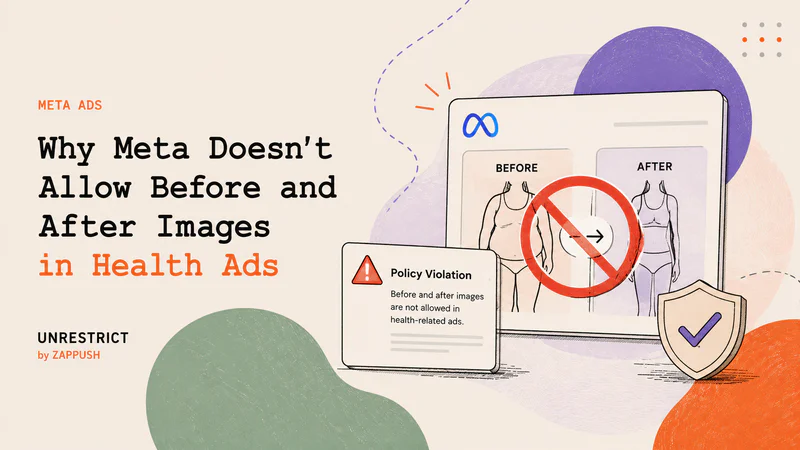
Meta restricts side-by-side before-and-after and other transformation-style creatives in Health & Wellness when they imply negative self-perception, medical outcomes, or 'correction' of a body or condition. This is why weight loss and wrinkle-treatment ads often get rejected even when the product is legitimate. Understanding what Meta flags (and what it allows, like certain fitness-context visuals) is critical before launching campaigns in weight loss, skincare, hair regrowth, or similar categories.
The risk is often the combination of transformation framing + policy triggers (side-by-side comparisons, problem-area closeups, body-shaming tone).
Weight loss, skincare conditions, hair regrowth, and cosmetic transformations are consistently high-risk.
There are compliant creative alternatives that can still convert without violating policy.
What Meta’s Health & Wellness Advertising Policy Guidelines 2026 Actually Covers
Meta’s Health & Wellness advertising policy mainly applies to four types of products and services:
Weight Loss
Cosmetic Products and Procedures
Adult Products
Reproductive Health
You can think of these as two broader buckets:
Weight Loss + Cosmetic Products/Procedures
Adult Products + Reproductive Health
Across all four, the core rule is consistent:
Meta doesn’t allow ads that promote negative self-perception or exploit insecurities to sell a health or cosmetic outcome. That’swhy Meta blocks so many Health & Wellness ads, even when they look compliant to you.
Important nuance: Weight loss products aren’t automatically banned
Meta allows ads for dietary weight-loss products and services (like pills or supplements) when targeting people aged 18+, as long as the creative avoids shame-based messaging and disallowed transformation framing.
For example, you may still be able to:
Show someone using the product
Reference progress in a neutral way
Mention the time taken to see results
But you cannot make the viewer feel bad about their body or imply that they have a personal flaw that needs fixing.
We’ll break this down category-by-category. Let’s start with Weight Loss, since it’s the most heavily enforced in e-commerce.
What kind of ads does Meta explicitly NOT allow under the Health and Wellness Advertising Policy
Meta blocks weight loss ads when the creative pushes negative self-perception or makes the viewer feel targeted, shamed, or diagnosed.
Advertisers can’t run weight loss ads showing any of the following:
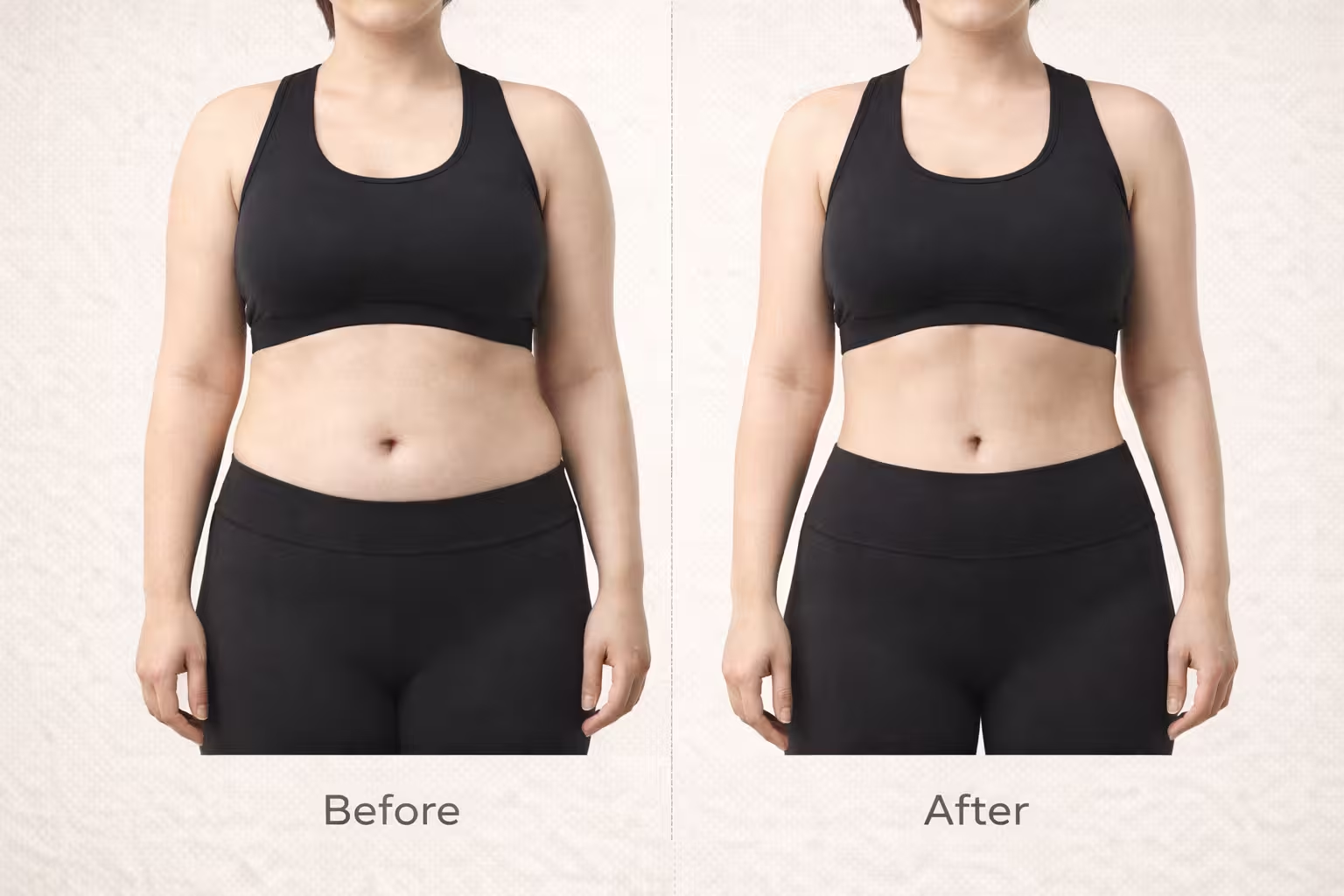
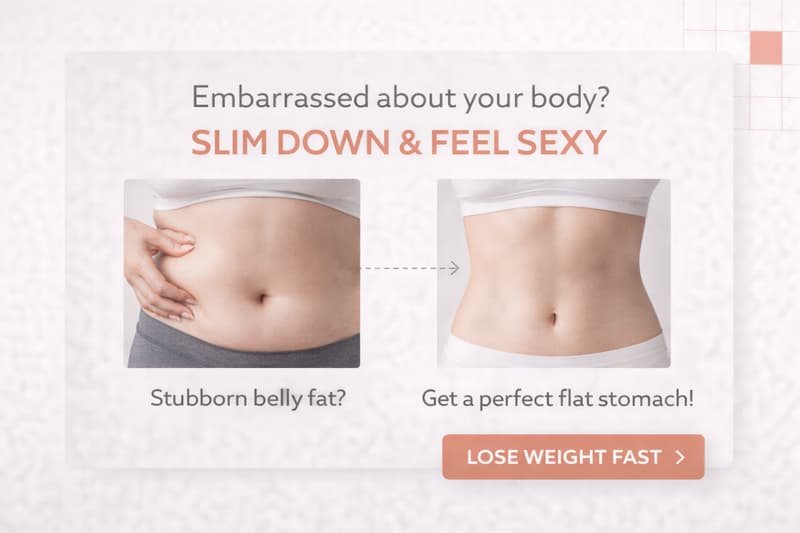
1. Ads showing side-by-side before-and-after comparison of weight loss transformations
What Meta Allows (Exceptions)
The key exception Meta mentions for side-by-side transformations is fitness-class impact (for example, Pilates or weight lifting). Meta is more tolerant when the ad promotes a fitness service, not a weight loss product or supplement.
Meta’s Health & Wellness policy does not treat every before-and-after the same. Some categories can still use transformation-style visuals (including side-by-side), as long as they don’t use negative self-perception tactics. Examples Meta calls out include:
General wellbeing services (fitness services, equipment, health clubs)
General food products
Non-permanent cosmetics (creams, make-up, hair products, hair extensions)
Dental products (teeth whitening)
Digital editing apps and similar non-permanent beauty products
This is why some before-and-after ads run in cosmetics or fitness, while weight loss transformations get rejected.
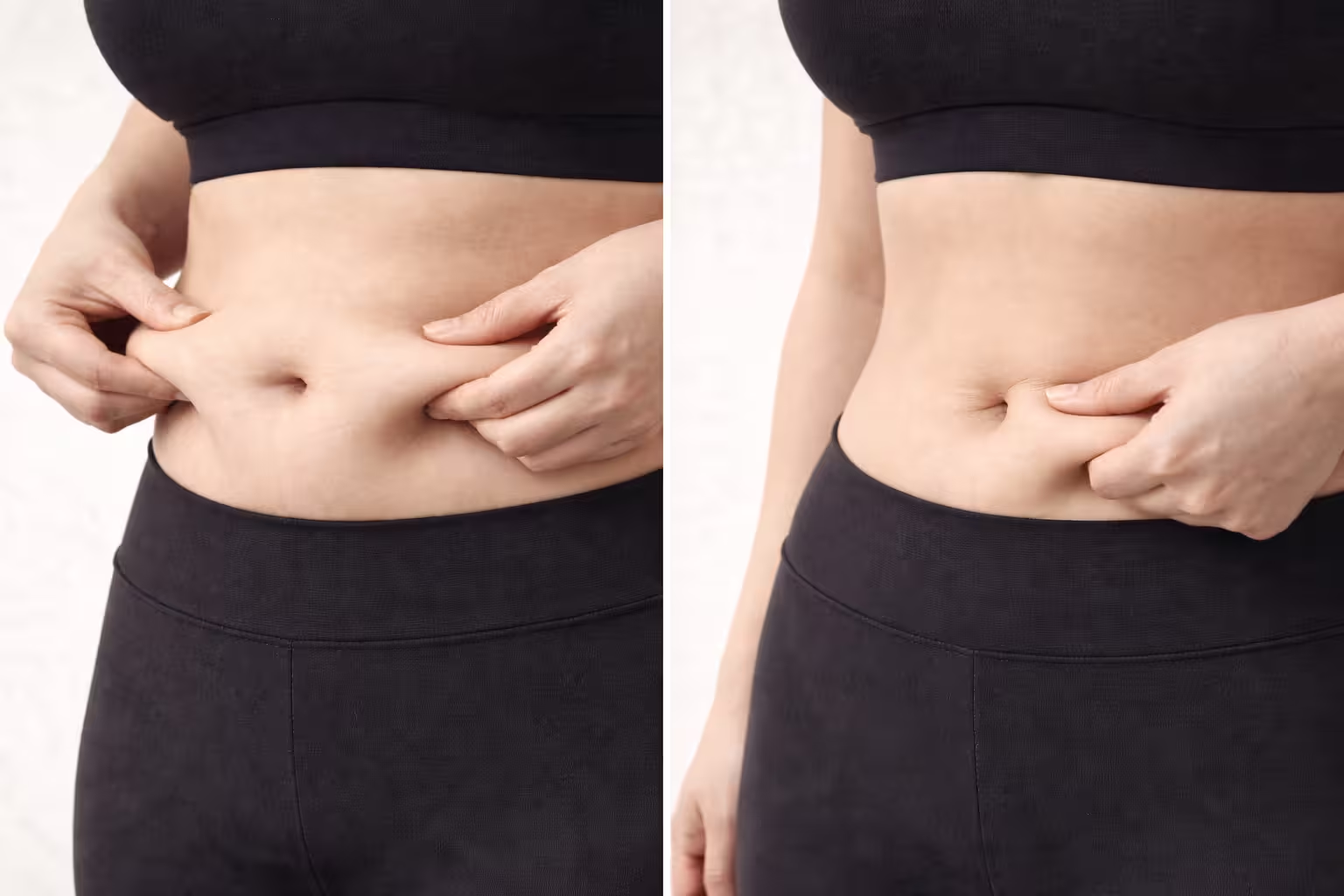
2. Ads showing a close-up shot of a specific body area
3. Ads reinforcing negative or unhealthy body images
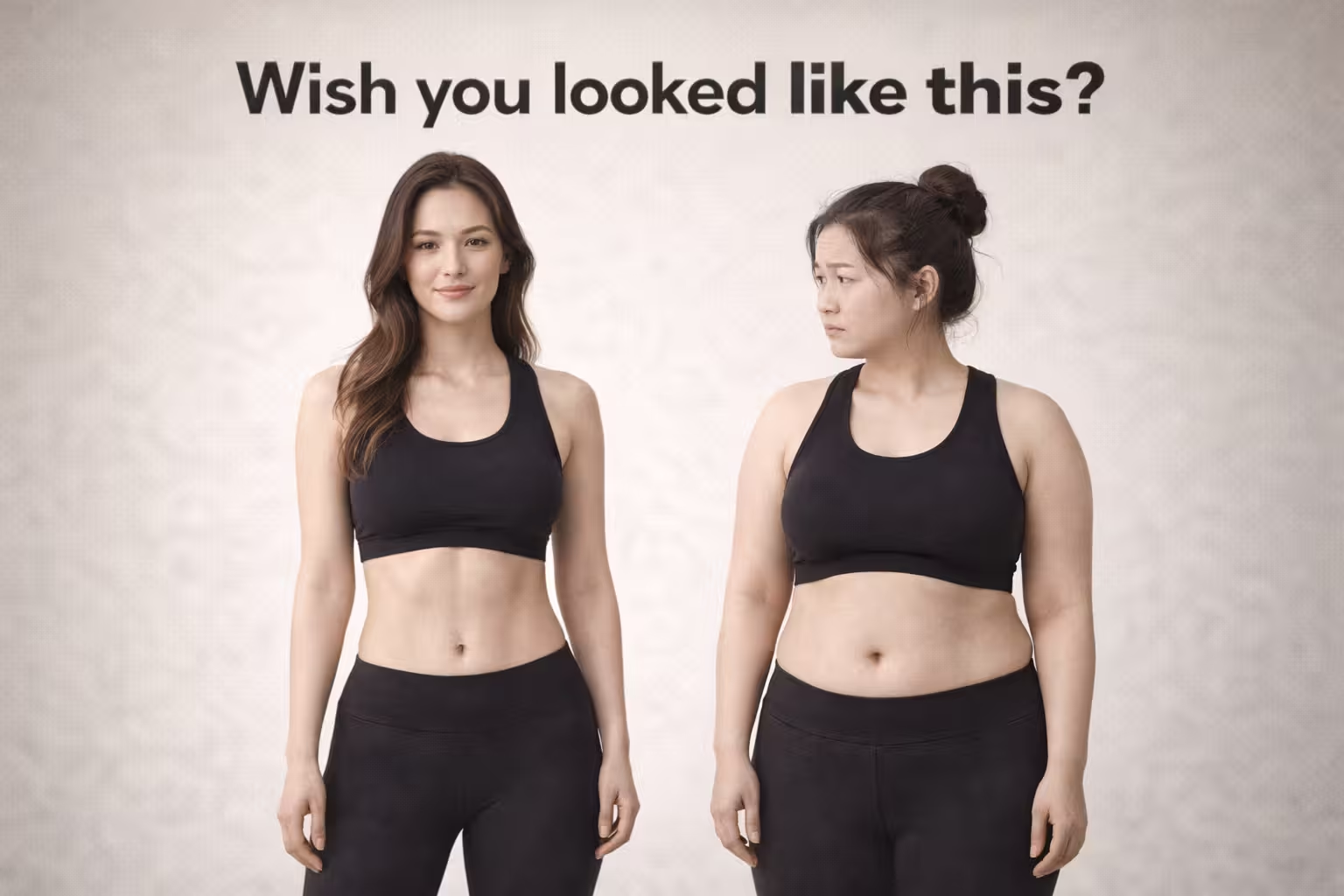
4. Ads showing distasteful messaging that could make people feel negatively about the way they look
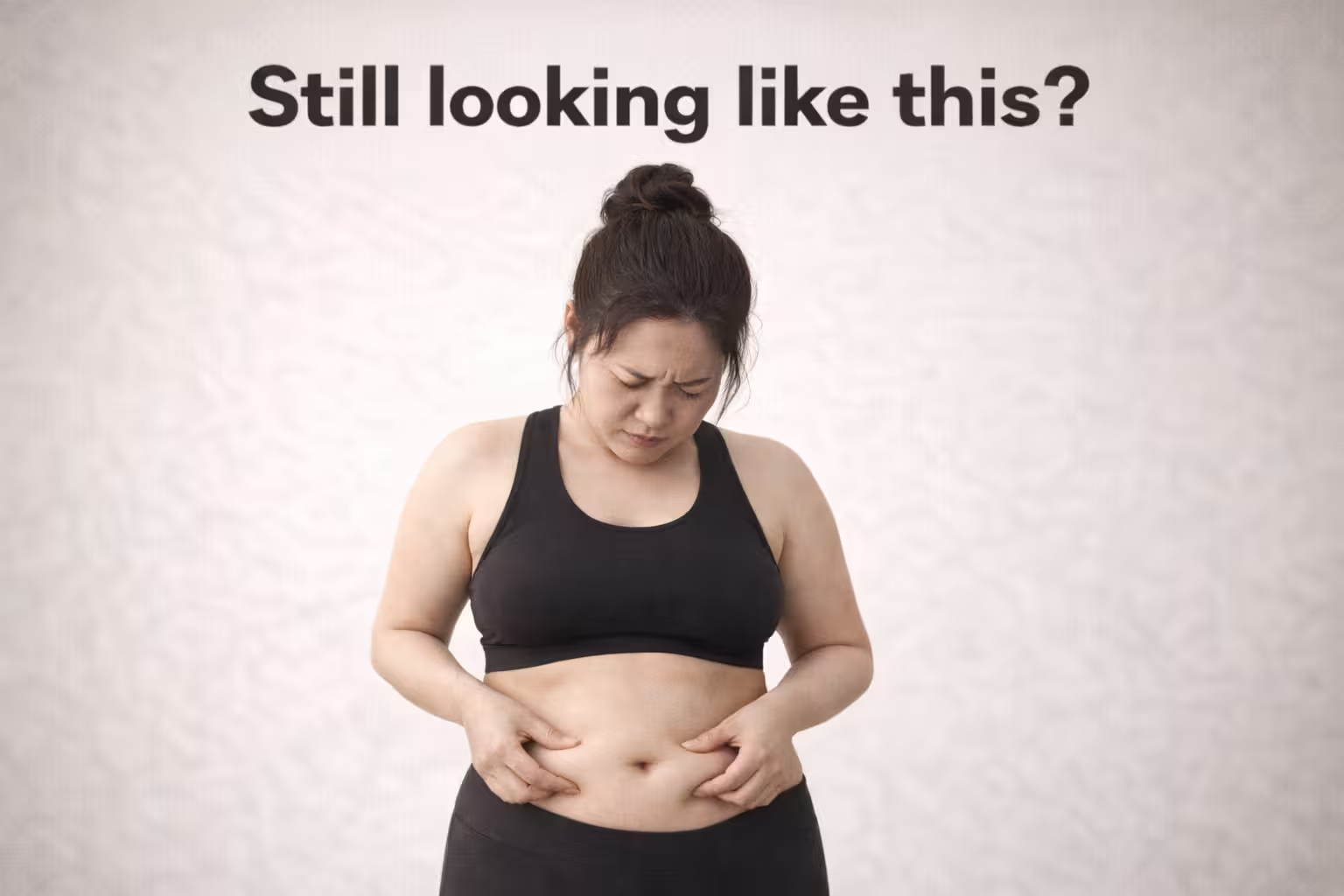
5. Ads that exploit insecurities to conform to certain beauty standards
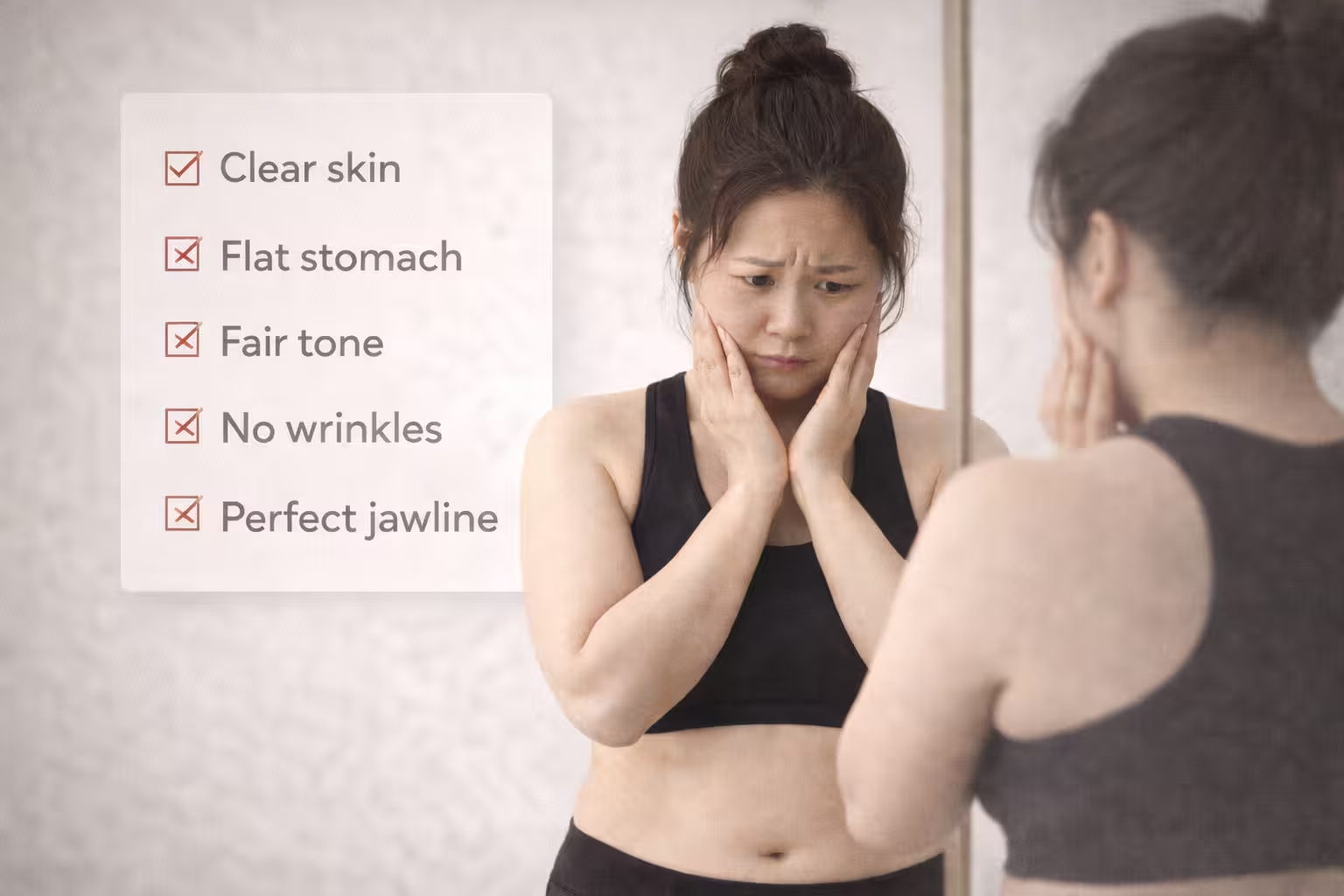
6. Ads that feature body-shaming
Now let’s move to Cosmetic Products and Procedures, where Meta is more permissive than Weight Loss, but still strict about insecurity-based messaging.
B. Cosmetic Products, Procedures, and Surgeries
Meta treats cosmetic ads differently from weight loss. Cosmetic ads can be allowed (18+) even for procedures, but enforcement becomes strict when the creative pushes insecurity or uses disallowed transformation framing.
What Meta explicitly does NOT allow
Meta blocks cosmetic ads that:
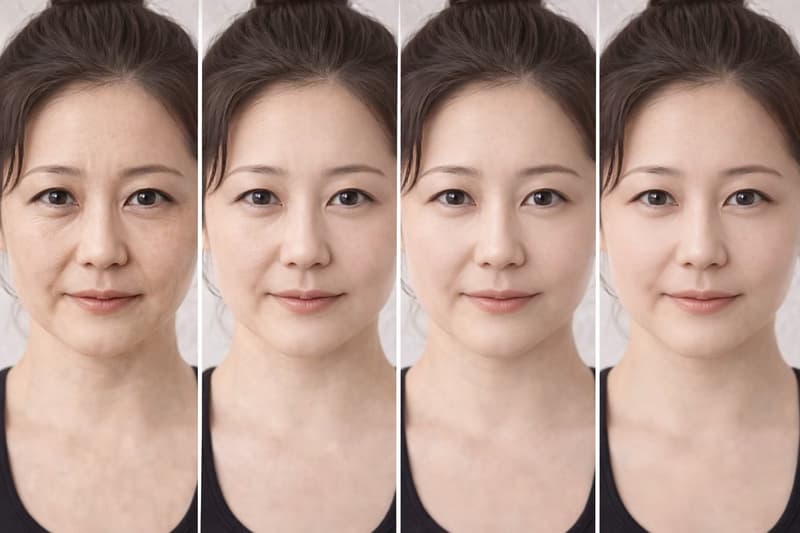
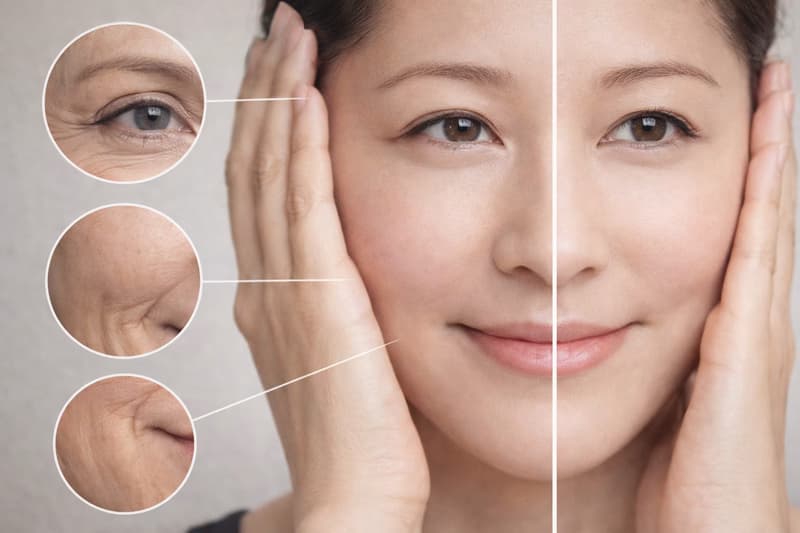
Ads showing side-by-side transformation comparisons for wrinkle treatment or anti-ageing procedures
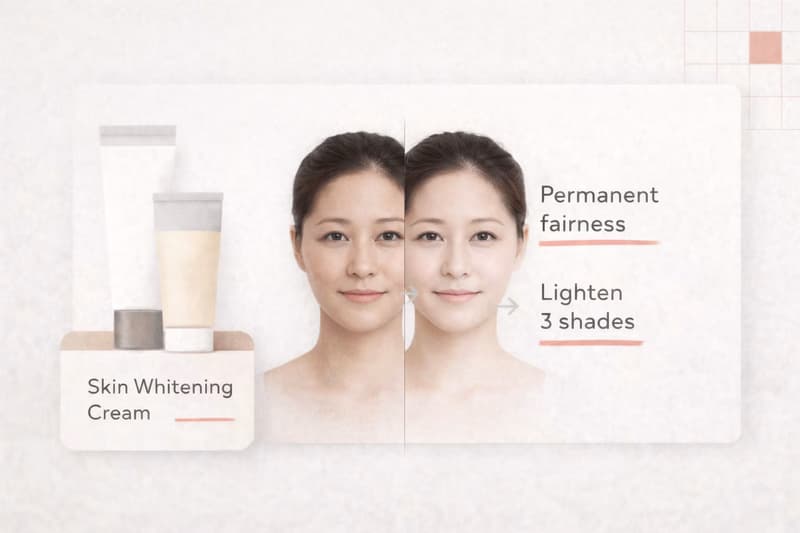
Ads promoting skin whitening or bleaching products that cause a permanent skin colour change.
Ads using distasteful or shaming messaging that could make people feel negatively about how they look.
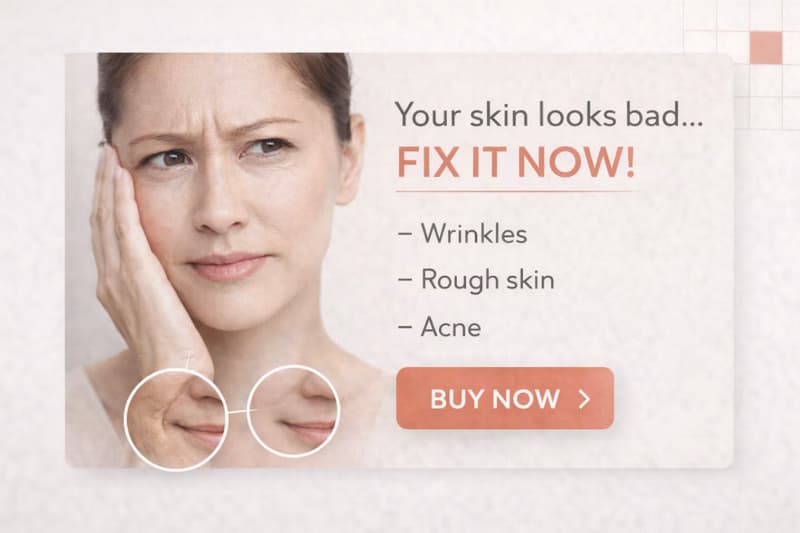
Ads exploiting insecurities to push a beauty standard (fix this, or you’re not attractive).
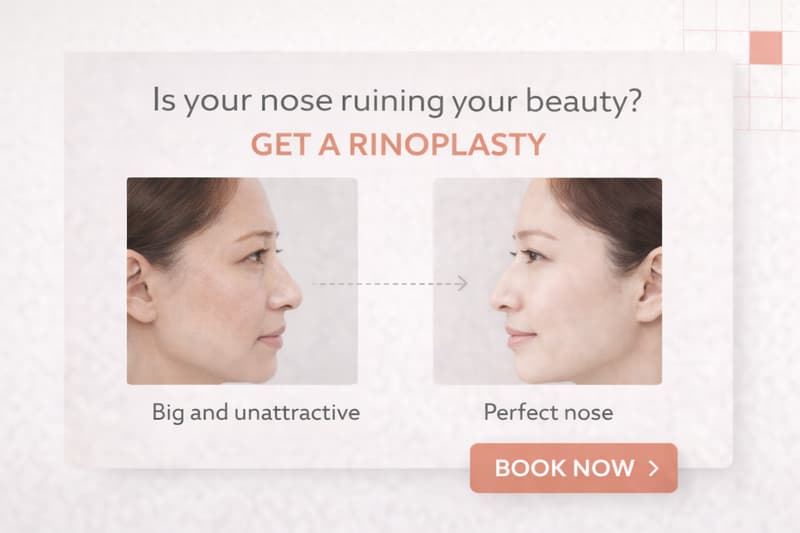
Ads reinforce unhealthy body image patterns.
What Meta Allows in Cosmetic Ads
When targeting people aged 18+, Meta allows ads that promote:
Cosmetic products, procedures, and surgeries such as breast augmentation or reduction, abdominoplasty, blepharoplasty, rhinoplasty, facelifts, hair restoration surgery, dermal fillers, skin rejuvenation treatments, chemical peels, micro-needling, laser or light treatments, and micropigmentation.
General cosmetic products and procedures using transformation-style visuals, including before-and-after, as long as the ad does not use negative self-perception tactics.
Anti-ageing and wrinkle treatments (including injectables like Botox) that use close-ups or highlight specific skin areas to demonstrate results, as long as outcomes look realistic over time and do not use side-by-side comparisons.
Gender reassignment services and procedures.
Next is Adult Products and Reproductive Health, where enforcement is less about health claims and more about sexual arousal intent and explicit framing.
Adult Products and Reproductive Health
Meta draws a clear line here.
Ads must not promote the sale or use of adult sexual arousal products or services. Ads for sexual and reproductive health products can run, but they must be 18+ and must focus on health and medical benefits, not sexual pleasure.
What Meta explicitly does NOT allow
Meta blocks ads that:
Promote sexual arousal products focused on sexual pleasure or enhancement, such as sex toys and erotic products
Promote the sale or use of adult sexual services, including adult entertainment businesses, adult encounter businesses, and similar establishments
Promote instructional sexual services such as tantric services, orgasmic therapy, or retreats focused on sexual pleasure
Promote genital procedures or surgeries focused on sexual pleasure, such as G-spot augmentation or male enlargement procedures
What Adult and Reproductive Health Ads Are Allowed on Meta?
What Meta Allows in Adult and Reproductive Health Ads
When targeting people aged 18+, advertisers can run ads that promote sexual and reproductive health and wellness products or services, as long as the focus is on health and medical efficacy, not sexual pleasure.
This can include ads for:
Products addressing sexual and reproductive health issues, such as the prevention of erectile dysfunction, premature ejaculation, low desire conditions, pain relief during sex, and menopause effects
Reproductive genital surgeries focused on medical benefits, such as male circumcision, vaginoplasty, and vasectomy
Contraceptive products, including condoms
Lubricants and pheromones, when positioned around wellness and function rather than sexual enhancement
Women’s reproductive health apps, such as ovulation trackers, pregnancy progress trackers, and family planning tools
Family planning services such as clinics, IVF and artificial insemination, fertility awareness, abortion, medical consultation and related services
Note: If the product is a prescription drug or treatment, Meta routes it under the Drugs and Pharmaceuticals policy with additional geo-targeting and permissions requirements.
Exceptions where 18+ targeting may not apply
The 18+ targeting requirement does not apply to ads that promote or sell:
Women’s reproductive health products, such as menstruation tracking apps
Sex education that is informational or educational, with no sexualised or suggestive content
Educational information about family planning services without direct promotion or facilitation
Women’s hygiene products
Lingerie, swimwear, or undergarments, as long as they do not violate the Adult Nudity and Sexual Activity policy